
The geopolitical landscape of the Middle East continues to shift, presenting a complex and often volatile picture. Recent developments, from escalating military postures to entrenched ideological stands, serve as a stark reminder of the region’s enduring fragility.
As we observe these unfolding events, a sober analysis reveals not only the immediate political implications but also echoes of ancient prophetic narratives, suggesting a deeper, unfolding tapestry of divine design.
Rising Tensions in the Persian Gulf
The Strait of Hormuz, a critical maritime chokepoint, has once again become a flashpoint for international concern. Iran recently announced live-fire military exercises in this crucial waterway, a move that significantly elevates regional tensions. This comes amidst a backdrop of explicit threats from the United States, with then-President Trump speaking of a “massive armada” directed at Iran’s nuclear ambitions.
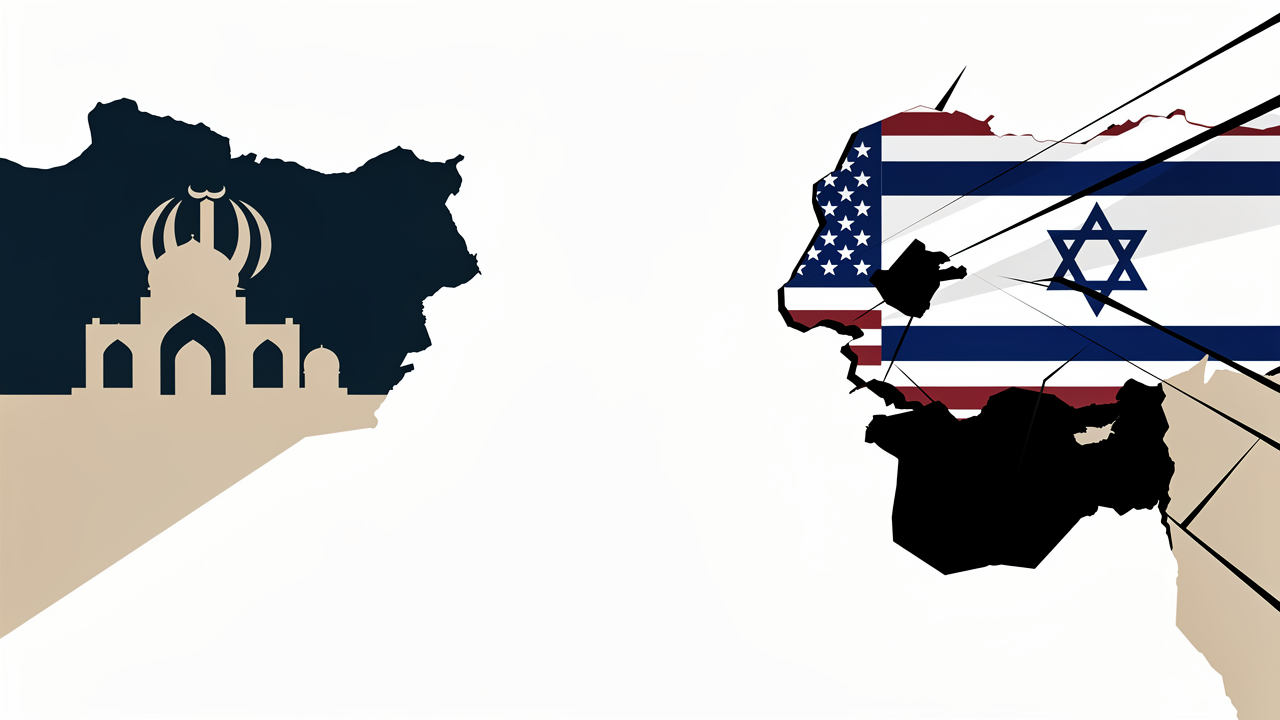
Iran’s response has been defiantly uncompromising. Tehran asserted it has its “finger on the trigger,” vowing an “immediate, total and unprecedented” retaliation should it be attacked, specifically threatening Tel Aviv. This declaration underscores a readiness for direct confrontation, transcending mere diplomatic posturing.
- China issued a cautionary statement to the U.S. against military intervention in Iran, highlighting the broader international implications.
- Secret negotiations between the U.S. and Iran reportedly failed to yield any breakthroughs.
- The European Union, with the notable exception of the United Kingdom, classified Iran’s Islamic Revolutionary Guard Corps (IRGC) as a terrorist organization, further isolating the regime.
- Geopolitical uncertainty has predictably led to an increase in global oil (Brent crude) and gold prices, reflecting market anxiety.
From a prophetic perspective, the escalation of tensions involving Persia (modern-day Iran) and its explicit threats against Israel carry significant weight. Biblical prophecies speak of conflicts involving these nations in the latter days. The unwavering resolve of Iran to confront Israel, even at great cost, suggests a deep-seated antagonism that some interpret as a fulfillment of prophecies foretelling regional wars preceding the return of Jesus Christ.
Hamas’s Indifference to Civilian Lives and Refusal to Disarm
Further unsettling revelations have emerged from the Gaza Strip, painting a grim picture of the conflict’s human cost and the tactics employed by militant groups. A document allegedly recovered from Gaza indicates that Hamas and Palestinian Islamic Jihad (PIJ) were aware that their own rockets were striking civilian homes within Gaza itself. Despite this knowledge, the launches continued.
The Price of War
An official was reportedly quoted as stating, “even if a thousand people die by friendly fire, that is the price of war.” This chilling statement highlights a deeply troubling disregard for the lives of their own populace in pursuit of military objectives. Concurrently, a senior Hamas official reiterated the group’s steadfast refusal to disarm, rejecting demands from both the U.S. and Israeli leadership.
The persistent refusal of Hamas to relinquish its weapons, coupled with its apparent indifference to the suffering of its own people, is viewed by some as illustrative of a broader spiritual blindness. This perspective suggests a world where malevolent actions are justified, and truth is distorted, creating an environment ripe for ceaseless conflict. This unrelenting opposition to Israel, regardless of the cost to its own people, is seen by many as consistent with prophetic narratives detailing the rejection of peace and the persistence of conflict until divine intervention.

Scripture of the Day
And ye shall hear of wars and rumours of wars: see that ye be not troubled: for all these things must come to pass, but the end is not yet.
— Matthew 24:6 (KJV)
This verse from Matthew’s Gospel serves as a profound lens through which to view the current global landscape. The news of military exercises, explicit threats, and ongoing conflicts in the Middle East aligns precisely with the “wars and rumours of wars” that Jesus foretold.
The escalation between Iran and the U.S./Israel, alongside the entrenched positions of groups like Hamas, are more than mere political squabbles; they are symptoms of a world grappling with deep-seated animosities. These events, while troubling, are presented in scripture not as reasons for despair, but as signs that God’s overarching plan is unfolding.
The instruction “see that ye be not troubled” is crucial. It calls believers to observe these signs with discernment and faith, understanding that they are necessary precursors to a greater divine purpose. It encourages a perspective that transcends immediate anxieties, grounding hope in the certainty of prophetic fulfillment.
Thus, as the news headlines unfold, the words of Matthew 24:6 remind us that these tumultuous times are not random but are part of a larger, divinely orchestrated narrative, calling us to vigilance and prayer rather than fear.



Leave a Reply