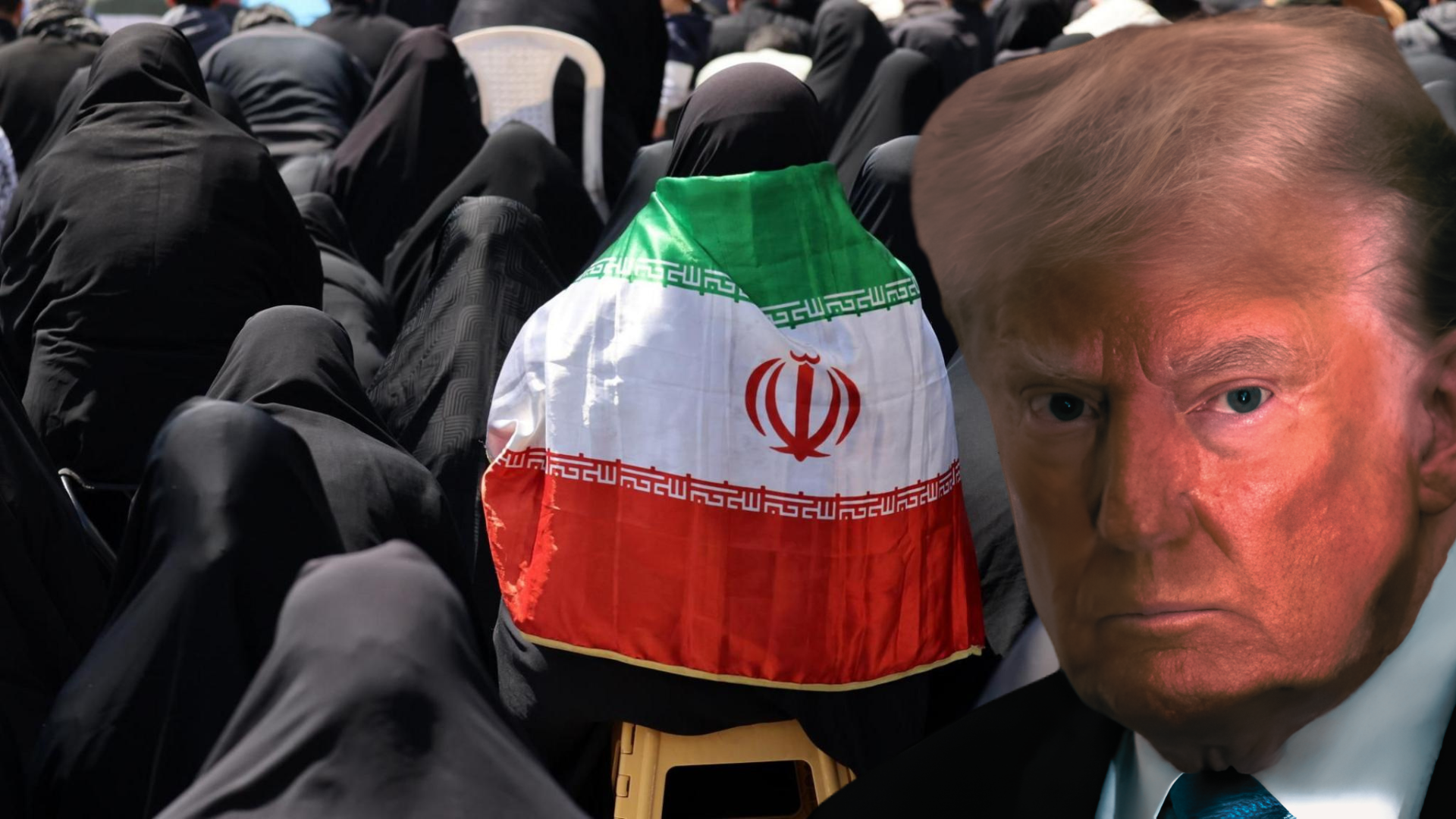
As tensions involving Iran continue to rise, many Bible-believing Christians are once again turning their attention to one of the most significant prophetic passages in all of Scripture: Ezekiel 38.
For years, students of prophecy have pointed to the clear inclusion of Persia in Ezekiel’s vision of a coming coalition that will move against Israel in the last days. Today, as Iran asserts itself more aggressively on the world stage and remains deeply hostile toward the Jewish state, that ancient prophetic text feels more relevant than ever.
The question before the Church is not whether God’s Word will stand. It will. The question is whether believers are discerning the times with spiritual clarity.
Modern Iran’s connection to ancient Persia is one of the reasons prophecy teachers have watched that nation so closely for decades. This is not a recent invention. It is a long-recognized element in serious biblical prophecy teaching.
What makes the present moment so striking is that Iran is no longer sitting quietly at the edge of the prophetic stage. It is increasingly central in regional instability, military posturing, and anti-Israel rhetoric. For those grounded in Scripture, that should not be ignored.
This does not mean every military move is the immediate fulfillment of Ezekiel 38. But it does mean the stage continues to move in the exact direction the Bible said it would.
The world sees politics. Watchmen see a pattern.
The secular world will look at these developments and see diplomacy, conflict, power struggles, and strategic alliances. But those who understand biblical prophecy see something deeper: a pattern.
Scripture warned long ago that the nations would one day gather in a way that placed Israel at the center of global tension. That is precisely what we are witnessing more and more with each passing year.
Iran’s role in that picture is not incidental. It is prophetic.
And for Christians who believe the Bible literally and seriously, this is a moment to lift up our eyes. Not in panic, but in sobriety. Not in sensationalism, but in conviction.
The headlines may change by the hour, but the Word of God does not.
Why believers should pay attention now
There are moments in history when prophecy seems distant to people, almost theoretical. Then there are moments when the pages of Scripture begin to feel startlingly close to the evening news.
This is one of those moments.
Iran’s rising profile in the region, the continued obsession with Israel, the shifting alliances across the Middle East, and the growing sense that the world is moving toward greater instability all point to one reality: the prophetic conversation is no longer abstract.
Believers should pay attention because Jesus commanded watchfulness. The Church was never told to sleep through world history. We were told to discern the times, remain faithful, and keep our lamps burning.
That is why Ezekiel 38 matters right now.
Is this the fulfillment of Ezekiel 38?
That is the question many are asking, and wisdom demands a careful answer.
No serious student of prophecy should rush to declare that every conflict is the fulfillment itself. Ezekiel 38 describes a broader coalition and a specific future scenario. Many who study the passage closely believe additional alignments must still come into place.
But that should not lead to passivity.
Prophetic fulfillment often moves in stages. Conditions form. Alliances develop. Tensions intensify. And what once seemed impossible suddenly becomes entirely plausible. That is why developments involving Iran are so significant. They do not need to be the final event to be prophetically important.
In other words, the Church does not need to force fulfillment to recognize formation.
And formation is exactly what many believers believe they are seeing.
Israel remains at the center because God says it will
One of the clearest confirmations of biblical prophecy in our generation is this: Israel remains exactly where Scripture said it would be — at the center of world attention.
The nations are fixated. The region remains volatile. And the tiny Jewish state continues to occupy a place on the world stage far beyond its size.
That is not normal geopolitics. That is biblical reality.
The prophets repeatedly made clear that Jerusalem and Israel would be central in the last days. So when Iran hardens itself against Israel, when the region becomes more unstable, and when the world’s focus keeps returning to that land, Christians should not be confused. They should be reminded that God is moving history toward its appointed conclusion.
This is a call to spiritual readiness, not sensationalism
The right response to these developments is not hype. It is holiness.
The purpose of prophecy is never merely to fascinate the believer. It is to awaken the believer. It is to remind the Church that history is not random, that God is not absent, and that Christ is coming again.
That is why moments like this matter so deeply.
When Iran rises in prominence, when Israel is increasingly surrounded by threats, and when biblical patterns come into sharper focus, believers should not simply debate timelines. They should examine their hearts, renew their devotion, and return to the Word of God with urgency.
Prophecy is not given to entertain the curious. It is given to prepare the faithful.
The Church must not look away
This is not the hour for spiritual dullness. This is the hour for discernment.
The Middle East is moving. Iran is active. Israel remains central. And Ezekiel 38 continues to stand as one of the clearest prophetic markers for those watching through the lens of Scripture.
Whether the present developments are an immediate precursor or part of a broader prophetic progression, one thing is certain: the Bible is not outdated, and the prophetic Scriptures are not losing relevance. They are becoming more visible by the day.
The Church must not look away.



Leave a Reply