TEHRAN — While the world watches in silence, a humanitarian catastrophe of biblical proportions is unfolding inside Iran. Following widespread protests that began on December 28, the Islamist regime has initiated a crackdown far deadlier than any seen in the 21st century.
Reports from the ground indicate that the current unrest differs significantly from the protests of 2009, 2019, or 2022. While previous uprisings were driven by desires for social freedom, this movement is fueled by total economic collapse. Inflation has decimated the currency to the point where the price of bread rises 20% between morning and afternoon. The Iranian people—comprising a diverse mix of ethnicities where ethnic Persians actually make up only 49% of the population—have united against the regime’s decision to funnel billions of dollars to proxy militias in Gaza, Lebanon, Yemen, and Iraq rather than fixing basic infrastructure like water and electricity.
The regime’s response has been brutal. After shutting down the internet to mask their actions, the IRGC and Basij forces were ordered to use live ammunition. In the city of Isfahan alone, confirmed casualties have exceeded 4,000 people. By comparison, the 2019 protests saw approximately 1,500 deaths nationwide. The violence has reached horrific levels; reports confirm that wounded protesters transported to hospitals are being executed in their beds by security forces, sometimes while still attached to life support. Victims range from young adults to a documented case of a three-year-old child.
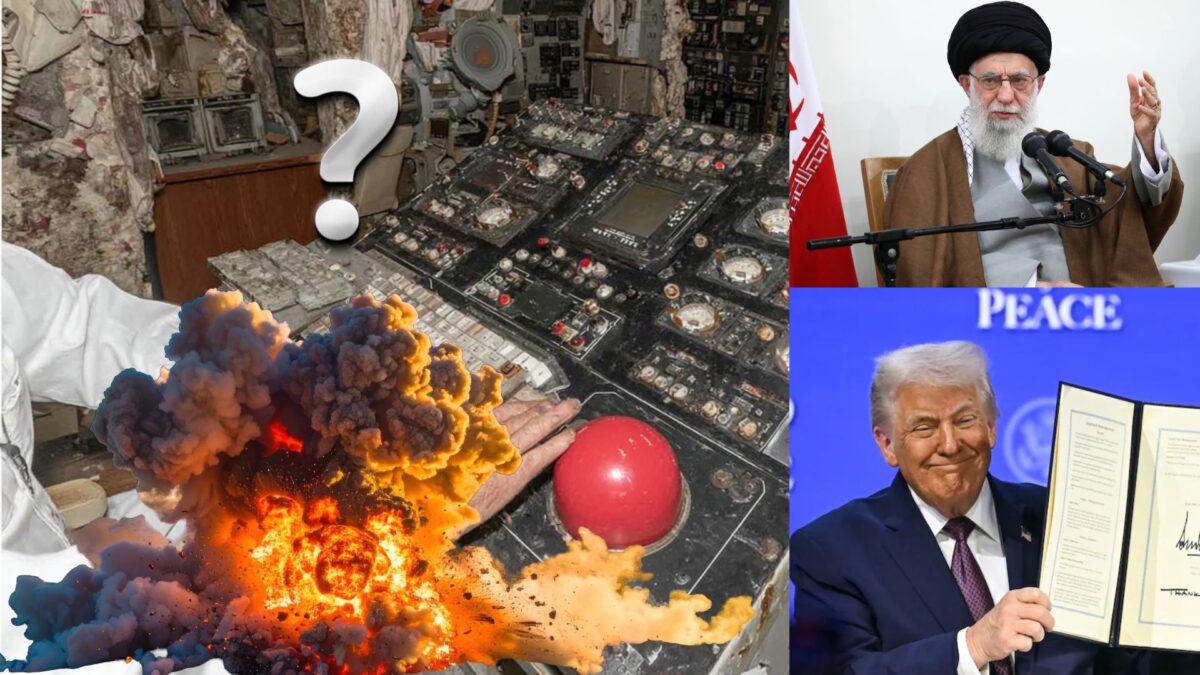
Many observers were baffled when President Trump, after emboldening protesters to “take over their institutions,” abruptly halted a threatened strike against the Ayatollahs. Intelligence sources now reveal this was not a case of “cold feet,” but a strategic pause based on urgent warnings from Jerusalem. Unlike previous engagements, the Ayatollahs view this conflict as an existential threat to their regime. Intelligence suggests that a US strike intended to topple the government would trigger an immediate, “doomsday” retaliation: a barrage of thousands of ballistic missiles targeting US bases, naval assets, and Israeli cities.
The postponement of the strike allows for the rapid deployment of massive defensive and offensive capabilities to the region. US B-2 stealth bombers, F-15 Squadrons, and multiple carrier strike groups are converging on the area. The strategy appears to be a buildup of overwhelming force—potentially including undisclosed advanced weaponry—to intercept the inevitable Iranian barrage and deliver a knockout blow. Prime Minister Netanyahu has issued a stark warning to Tehran, threatening that any preemptive attack by Iran would result in the country becoming “unrecognizable,” a statement many analysts interpret as a veiled threat of unconventional warfare. As the region holds its breath, the slaughter of innocents continues inside Iran, setting the stage for a conflict that could reshape the Middle East permanently.